Social cognition

  • Action understanding with presentational goals

    Victor Btesh, S. Wu, Tobias Gerstenberg

    Proceedings of the Annual Meeting of the Cognitive Science Society, 48, in press

  • Let's be friends! People work together even when there is no incentive to do so

    Victor Btesh, M. Ho

    Proceedings of the Annual Meeting of the Cognitive Science Society, 48, in press

  • When giving more makes you look worse: paradoxical inferences in a Bayesian model of social evaluation

    M. Horner, Victor Btesh, A. Moore, T. Quillien

    Proceedings of the Annual Meeting of the Cognitive Science Society, 48, in press

  • Taking others for granted: balancing personal and presentational goals in action selection

    Victor Btesh, David A. Lagnado, Tobias Gerstenberg

    Proceedings of the Annual Meeting of the Cognitive Science Society, 47, 2025 · Code

  • Coffee or date? A Bayesian account of indirect disclosure in high-stakes social interactions

    Victor Btesh, David A. Lagnado

    Presented at Cognitive Computational Neuroscience, 2026 · Abstract Poster

Causal cognition

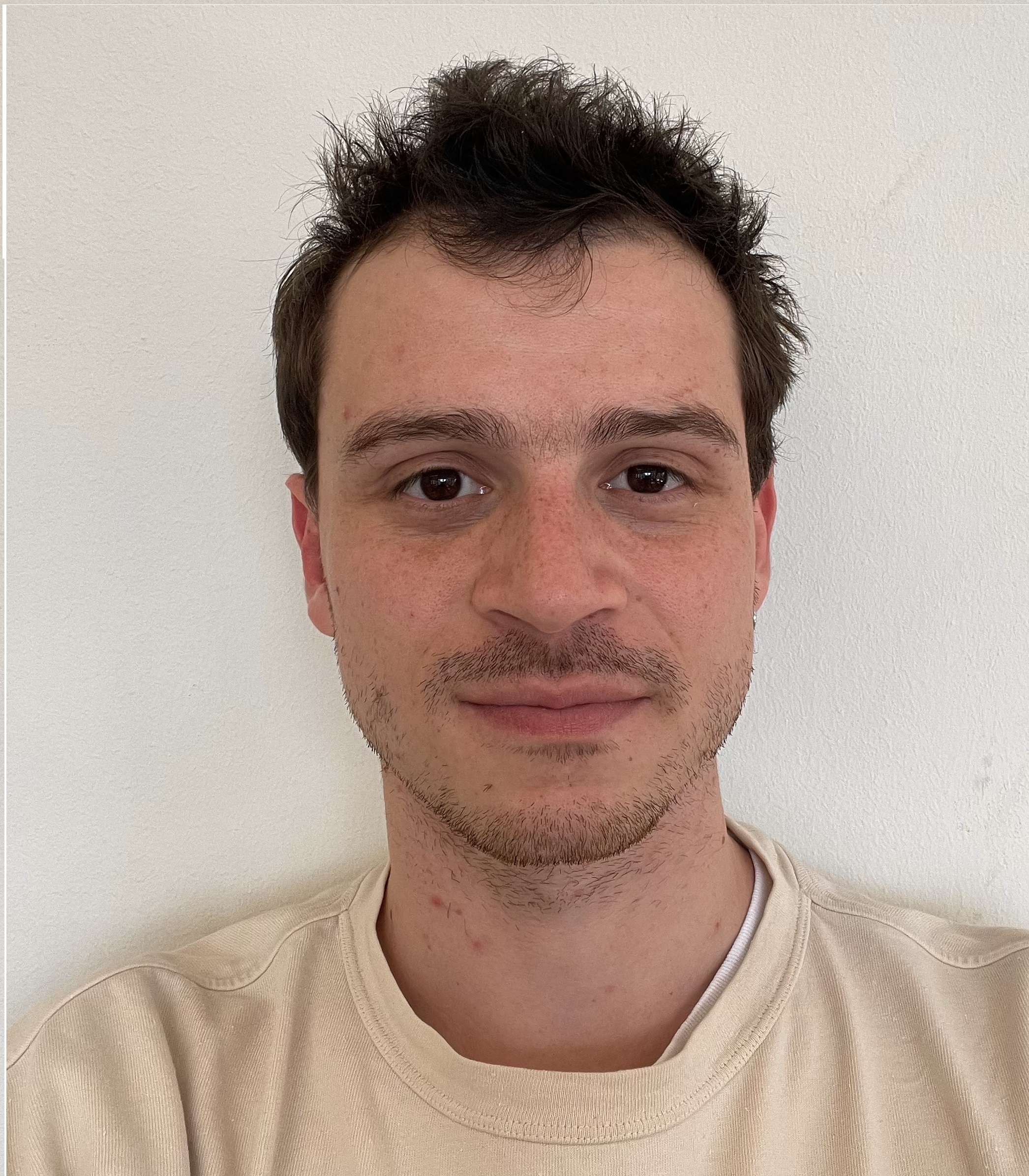
Victor Btesh

I am currently a PhD student in the department of Experimental Psychology at University College London.
I am interested in the cognitive basis of the construction of social reality: how we build and maintain rich mental models of others and the social world, and how these models guide what we do and how we understand others. I take inverse planning and theory of mind as a starting point, a powerful account of how we read goals and beliefs from actions, but only as a starting point. Even the most ordinary behaviours, like making coffee for someone or accepting an invitation, carry social meaning that depends on the relationship and norms at play. I believe these richer inferences are rooted in lower level intuitive theories about the motivations which animate human behaviour: e.g. our and others' welfare, status and power, or the desire to be seen in a certain way. I think these form the basis over which rest our intuitions about hierarchy, relationships, and social norms. My aim is to formalise these theories, and through them, understand how social norms and relationships are learned and inferred.